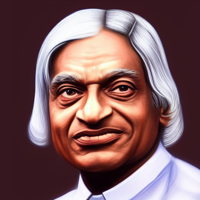
Abdul Kalam
Abdul Kalam, full name Avul Pakir Jainulabdeen Abdul Kalam, was an extraordinary individual whose life and achievements continue to inspire people around the world. Born on October 15, 1931, in Rameswaram, India, Kalam's journey from a humble background to becoming the President of India exemplifies the power of perseverance, knowledge, and dedication to public service.
Kalam was a brilliant scientist and engineer who made significant contributions to India's defense and space programs. He played a crucial role in the development of India's first indigenous satellite launch vehicle and nuclear capabilities. Kalam's scientific acumen and leadership qualities earned him immense respect and admiration within the scientific community.
However, it was not only his scientific accomplishments that set Kalam apart; it was also his visionary and inspirational personality. He had a deep conviction in the power of education and technology as agents of societal transformation. Throughout his life, Kalam worked tirelessly to promote scientific research, technological innovation, and education for all.
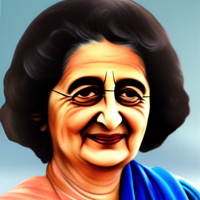
Indira Gandhi

Indira Gandhi

the first and only female Prime Minister of India, was a trailblazing leader who played a significant role in shaping the nation's political landscape.
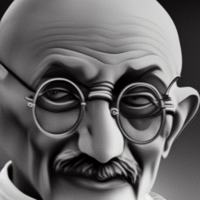
Mahatma Gandhi

Mahatma Gandhi

born in Porbandar, India, on October 2, was a prominent leader of India's independence movement against British colonial rule.
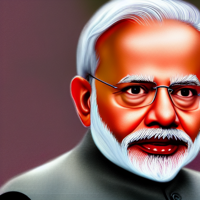
Narendra Modi

Narendra Modi

born on September 17, 1950, is the current Prime Minister of India and known for his charismatic leadership and dynamic approach.

Kalam was known for his humility, simplicity, and approachability. He had a special affinity for young people and believed in their potential to shape a better future for the nation. He interacted extensively with students.Through his lectures and speeches, he aimed to ignite the spark of curiosity and inspire young minds to pursue careers in science and technology.
In 2002, Kalam was elected as the 11th President of India. His presidency was marked by his commitment to education, particularly the promotion of scientific temper and the importance of innovation. He emphasized the need for India to become a knowledge-driven society and advocated for increased investment in research and development.
Kalam's vision extended beyond national boundaries. He believed in the power of international cooperation and the significance of India's role in the global arena. He actively engaged with world leaders and sought to foster strong diplomatic ties based on mutual respect and shared interests.
Furthermore, Kalam was a proponent of sustainable development and environmental conservation. He emphasized the importance of harnessing science and technology to address pressing environmental challenges, urging the world to adopt responsible and eco-friendly practices.
Abdul Kalam's impact extends far beyond his presidency. His inspirational books, such as Wings of Fire and Ignited Minds, have motivated countless individuals to pursue their dreams and contribute to the progress of society. He continues to be remembered as the People's President and the Missile Man of India for his immense contributions to the nation.
On July 27, 2015, Abdul Kalam passed away while delivering a lecture, leaving behind a legacy of integrity, leadership, and dedication to public service. His life and work serve as a constant reminder that with determination and a deep sense of purpose, individuals can overcome obstacles and make a lasting impact on society.
Explore All