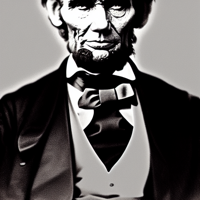
Abraham Lincoln
Abraham Lincoln, the 16th President of the United States, remains an iconic figure in American history. Born on February 12, 1809, in a modest log cabin in Kentucky, Lincoln's presidency during one of the most tumultuous periods in American history left an indelible mark on the nation and transformed the course of the Civil War.
Lincoln's rise to prominence was shaped by his humble beginnings and his unwavering determination to overcome adversity. From a young age, he displayed an insatiable appetite for knowledge, educating himself through extensive reading and self-study. His sharp intellect, coupled with his exceptional oratory skills, propelled him into the realm of politics.
Lincoln faced the daunting task of preserving the Union during a time of deep division and turmoil. The nation was on the brink of civil war, with states seceding from the Union in protest against the abolitionist movement and the potential erosion of their economic and political power. His resolute commitment to preserving the Union and abolishing slavery defined his presidency from 1861.
John F Kennedy

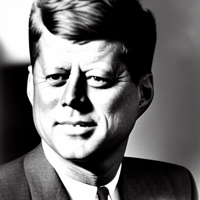
John F Kennedy

born on May 29, 1917, in Brookline, Massachusetts, was the 35th President of the United States, from 1961 to November 22, 1963.
Mahatma Gandhi

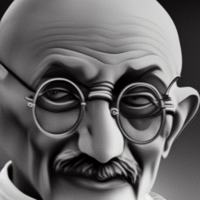
Mahatma Gandhi

born in Porbandar, India, on October 2, was a prominent leader of India's independence movement against British colonial rule.
Henry Kissinger

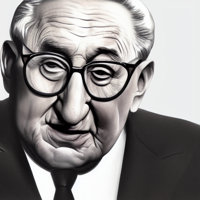
Henry Kissinger

born on May 27, 1923, in Fürth, Germany, is a prominent diplomat, political scientist and one of the most influential figures in U.S. foreign policy.

The Emancipation Proclamation, issued by Lincoln in 1862, marked a turning point in American history, symbolising his dedication to the principles of equality and justice.The proclamation declared all slaves in Confederate territory to be free, fundamentally altering the course of the Civil War and aligning the Union cause with the abolitionist movement.
Lincoln's leadership during the Civil War was characterized by pragmatism, resilience, and strategic thinking. He navigated the complexities of military strategy, faced internal dissent within his own cabinet, and persevered through the darkest moments of the war. His ability to inspire and mobilise the nation was evident in his iconic Gettysburg Address in 1863.
Tragically, Lincoln's presidency was cut short by an assassin's bullet. On April 14, 1865, he was assassinated at Ford's Theatre in Washington, D.C., just days after the end of the Civil War. His untimely death left a nation mourning the loss of a leader who had guided them through one of the most challenging periods in American history.
Lincoln's legacy transcends his presidency. His steadfast commitment to the principles of freedom, equality, and unity has continued to inspire generations of Americans. He is revered as the Great Emancipator, the president who led the nation out of the darkness of slavery and set it on a path toward a more inclusive society.
Moreover, Lincoln's leadership during a time of immense crisis serves as a testament to the power of moral courage, compassion, and perseverance. His presidency demonstrated the strength of democratic institutions and the importance of a leader who can rise above personal and political interests to serve the greater good.
Abraham Lincoln's presidency stands as a defining moment in American history. His unwavering commitment to preserving the Union, his role in abolishing slavery, and his leadership during the Civil War have solidified his place as one of America's greatest presidents. Lincoln's legacy as a visionary leader, a champion of freedom, and a unifying force continues to resonate today.
Explore All