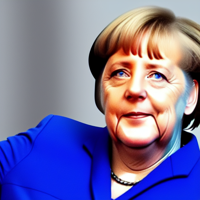
Angela Merkel
Angela Merkel, born on July 17, 1954, in Hamburg, Germany, is a prominent figure in international politics and the longest-serving Chancellor in the history of Germany. Her leadership, pragmatism, and steady approach have earned her widespread respect and admiration both at home and abroad.
Merkel's political career began in the wake of the fall of the Berlin Wall in 1989. She joined the newly formed Democratic Awakening party and later became a member of the Christian Democratic Union (CDU). In 2000, Merkel was elected as the CDU's leader, and in 2005, she became the first female Chancellor of Germany.
During her tenure as Chancellor, Merkel navigated Germany through various challenges, including the global financial crisis, the Eurozone debt crisis, and the migration crisis. Known for her analytical thinking and cautious decision-making, Merkel has been recognized for her ability to maintain stability and steer Germany through turbulent times.
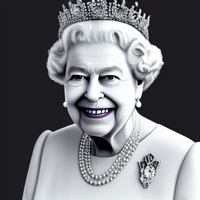
Queen Elizabeth

Queen Elizabeth

born on April 21, 1926, was Queen of the United Kingdom and other Commonwealth realms until her death in 2022. She ascended to the throne on February 6, 1952.
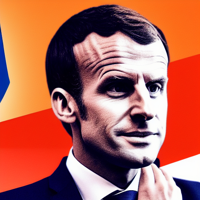
Emmanuel Macron

Emmanuel Macron

born on December 21, 1977, in Amiens, France, President of France since 2017, has emerged as a significant figure in contemporary French politics.
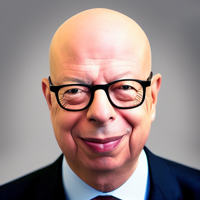
Klaus Schwab

Klaus Schwab

born on March 30, 1938, in Ravensburg, Germany, is a visionary leader and economist best known as the founder and executive chairman of the WEF.

Merkel's leadership style is characterized by pragmatism, consensus-building, and a commitment to compromise. She is known for her ability to bridge different political perspectives and find common ground. Merkel's strong focus on economic reforms, environmental sustainability, and social welfare has shaped Germany's domestic policies and its standing on the global stage.
Internationally, Merkel has been a key player in European Union (EU) affairs. She played a vital role in managing the Eurozone crisis, promoting European integration, and advocating for collective solutions to regional challenges. Merkel's influence and diplomatic skills have made her a respected voice in international relations.
Merkel's leadership has been recognized with numerous awards and accolades, including being named Time magazine's Person of the Year in 2015. Her calm and measured approach to complex issues, along with her ability to balance competing interests, has made her a role model for many aspiring leaders.
In 2018, Merkel announced that she would not seek re-election as Chancellor and stepped down in 2021. Her departure marked the end of an era in German politics and left a significant void in European leadership. However, Merkel's legacy as a transformative leader and a symbol of stability and pragmatism will continue to shape German politics and European affairs for years to come.
Angela Merkel
In conclusion, Angela Merkel's remarkable political career, marked by her steady leadership and commitment to consensus-building, has made her one of the most influential and respected leaders of her time. Her impact on Germany and the European Union is profound, and her legacy as a trailblazer and advocate for stability and pragmatism will endure. Angela Merkel's contributions to politics and her dedication to public service have left an indelible mark on the world stage.
Explore All