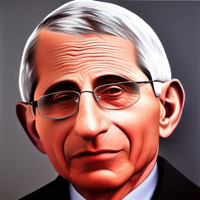
Anthony Fauci
Dr. Anthony Fauci, born on December 24, 1940, is a renowned immunologist and physician who has played a central role in shaping public health policy in the United States. Throughout his distinguished career, Fauci has been a steadfast advocate for evidence-based decision-making, infectious disease research, and public health preparedness.
Fauci's journey in public health began in the 1980s, during the early days of the HIV/AIDS epidemic. As the director of the National Institute of Allergy and Infectious Diseases (NIAID), he led efforts to combat the virus and improve treatment options. This not only contributed to advancements in HIV/AIDS care but also cemented his reputation as an authority on the subject.
Over the years, Fauci has been at the forefront of addressing various infectious disease threats, like Ebola, Zika, and most recently, the COVID-19 pandemic. His calm and authoritative demeanour, coupled with his ability to communicate complex scientific information in a clear and accessible manner, have made him a trusted source of information for the American public.
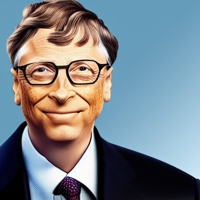
Bill Gates

Bill Gates

a visionary entrepreneur and philanthropist, has made an indelible impact on the world through his innovations and philanthropic endeavours.
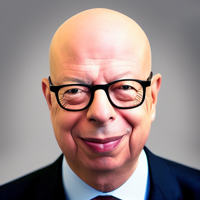
Klaus Schwab

Klaus Schwab

born on March 30, 1938, in Ravensburg, Germany, is a visionary leader and economist best known as the founder and executive chairman of the WEF.
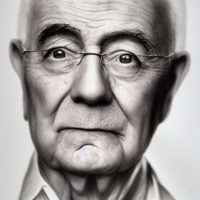
Albert Bourla

Albert Bourla

is the Chairman and Chief Executive Officer (CEO) of Pfizer Inc., one of the world's leading pharmaceutical companies.

Fauci's commitment to public health and science-driven decision-making has sometimes put him at odds with political agendas. Despite facing criticism and occasional threats, he has remained resolute in his dedication to speaking the truth and providing evidence-based guidance to protect public health. The COVID-19 pandemic brought Fauci into the spotlight.
As a key member of the White House Coronavirus Task Force, he became a household name, frequently appearing in media briefings to educate the public about the virus and the importance of preventive measures. Fauci's expertise and candid approach garnered him widespread respect and admiration from the American public.
Moreover, Fauci's leadership during the pandemic extended beyond the United States. He collaborated with international health organisations and advised governments worldwide on pandemic response strategies. His efforts to promote global collaboration in research and public health measures have reinforced the importance of international cooperation in combating infectious diseases.
Fauci's contributions have earned him numerous accolades and awards, including the Presidential Medal of Freedom, the nation's highest civilian honour. His influence extends beyond his scientific achievements, as he has inspired countless individuals to pursue careers in public health and biomedical research.
In conclusion, Dr. Anthony Fauci's lifelong dedication to public health, infectious disease research, and science-based decision-making has made him a respected and influential figure in the field of medicine. His legacy will undoubtedly serve as a guiding light in promoting evidence-based public health policies and safeguarding the well-being of communities everywhere.
From his pioneering work during the HIV/AIDS epidemic to his leadership during the COVID-19 pandemic, Fauci's expertise, communication skills, and unwavering commitment to public service have earned him the trust and gratitude of millions of people worldwide.
Explore All