

Bill Clinton
William Jefferson Clinton is an American politician who served as the 42nd president of the United States from 1993 to 2001. He previously served as governor of Arkansas from 1979 to 1981 and again from 1983 to 1992, and as attorney general of Arkansas from 1977 to 1979. Clinton was born William Jefferson Blythe III on August 19, 1946, at Julia Chester Hospital in Hope, Arkansas.
Clinton's presidency was marked by a strong focus on economic prosperity and social progress. Under his leadership, the United States experienced a period of sustained economic growth and low unemployment rates. His commitment to fiscal responsibility and his ability to navigate complex policy issues contributed to the flourishing of the American economy during his tenure.
One of Clinton's most notable achievements was the North American Free Trade Agreement (NAFTA) in 1994. It aimed to promote economic integration and free trade between the United States, Canada, and Mexico. While the agreement remains a topic of debate, it opened up new opportunities for trade and investment, benefiting various sectors of the economy.
Hillary Clinton

Hillary Clinton

born on October 26, 1947, in Chicago, Illinois, is a prominent American politician and advocate who has left a lasting impact on the country's political landscape.

Joe Biden

Joe Biden

born on November 20, 1942, the 46th President of the United States, is a veteran politician and statesman who has dedicated his career to public service.
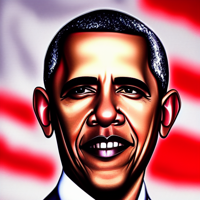
Barack Obama

Barack Obama

born on August 4, 1961, is an American politician and the 44th President of the United States, from 2009 to 2017.

Clinton's presidency was also marked by advancements in social policy. He championed the Family and Medical Leave Act, which granted workers the right to unpaid leave for certain family or medical reasons. Additionally, he played a pivotal role in the passage of the Brady Bill,  imposing stricter background checks and waiting periods for gun purchases, aiming to enhance public safety.
In the realm of foreign policy, Clinton pursued a diplomatic approach to address global challenges. He facilitated the Oslo Accords, which aimed to achieve peace between Israel and Palestine. While the peace process faced significant obstacles and setbacks, Clinton's efforts demonstrated his commitment to seeking a resolution to the longstanding conflict.
Furthermore, Clinton played a pivotal role in the expansion of NATO, welcoming former Eastern Bloc countries into the alliance. This move contributed to stability in the region and demonstrated the United States' commitment to supporting democratic transitions in post-communist countries.
Clinton's presidency also witnessed the intervention in the Balkans, particularly during the NATO airstrikes in Serbia to address the humanitarian crisis in Kosovo. While the decision was controversial, it demonstrated Clinton's willingness to take decisive action to prevent atrocities and promote stability in the region.
Bill Clinton's presidency left a lasting impact on American politics and society. His focus on economic prosperity, social progress, and diplomacy contributed to a period of stability and growth in the United States. Clinton's legacy as a charismatic leader and his policy accomplishments continue to shape the political landscape of the United States.
Explore All