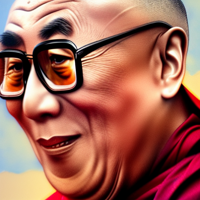
Dalai Lama
The Dalai Lama, born Lhamo Thondup on July 6, 1935, in Taktser, Tibet, is a revered spiritual leader known for his teachings on compassion, peace, and the pursuit of happiness. As the 14th Dalai Lama, he has dedicated his life to spreading messages of love, harmony, and inner transformation, making him a global symbol of peace and inspiration.
At the tender age of two, he was recognised as the reincarnation of the previous Dalai Lama, becoming the spiritual leader of Tibet. From that moment, his life took on a profound purpose – to guide and inspire his people and the world at large. Despite facing political and personal challenges, the Dalai Lama has remained steadfast in his commitment to promoting compassion and nonviolence.
Throughout his life, he has been a strong advocate for human rights, democracy, and religious harmony. He has tirelessly spoken out against oppression, advocating for the welfare of the Tibetan people and their right to self-determination. His unwavering commitment to peaceful dialogue and understanding has earned him global admiration and recognition.
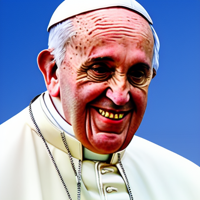
Pope Francis

Pope Francis

born Jorge Mario Bergoglio on December 17, 1936, in Buenos Aires, Argentina, is the 266th Pope of the Roman Catholic Church.
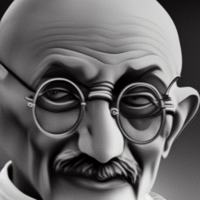
Mahatma Gandhi

Mahatma Gandhi

born in Porbandar, India, on October 2, was a prominent leader of India's independence movement against British colonial rule.
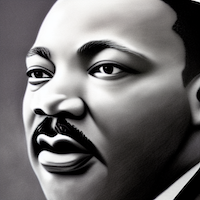
Martin Luther King Jr

Martin Luther King Jr

born on January 15, 1929, in Atlanta, Georgia, a champion of nonviolent activism, he left an indelible mark on American history.

One of his central teachings  is compassion and empathy towards all beings. He believes that true happiness can be achieved by embracing the interconnectedness of humanity and practicing kindness and compassion towards others. His teachings emphasise the importance of fostering inner peace and extending it to the world, promoting a sense of global responsibility and unity.
The Dalai Lama's influence extends beyond the realm of spirituality. He has actively engaged in dialogue with scientists, exploring the intersection between modern science and ancient wisdom. Through this collaboration, he has sought to bridge the gap between science and spirituality, contributing to a more holistic understanding of the human mind, well-being, and consciousness.
Furthermore, the Dalai Lama has been a vocal advocate for environmental sustainability and the protection of the planet. He recognises the urgent need for global action to address climate change. His call for environmental responsibility is rooted in the belief that our interconnectedness extends to the natural world, and that we have a moral obligation to be stewards of the Earth.
Despite living in exile since 1959, the Dalai Lama's influence and teachings have transcended borders. He has touched the hearts of millions around the world, spreading messages of love, forgiveness, and peace. His humility, warmth, and infectious laughter have endeared him to people from diverse cultures, religions, and backgrounds, fostering a sense of unity and understanding.
In recognition of his efforts, he has been honoured with numerous awards, including the Nobel Peace Prize in 1989. However, he remains humble and focused on his mission to alleviate suffering and promote human values. His unwavering commitment to compassion, peace, and the well-being of humanity continues to inspire and guide countless individuals in their own personal journeys.
In conclusion, the Dalai Lama's wisdom, compassion, and tireless efforts to promote peace and understanding have made him a revered spiritual leader and a beacon of hope for the world. The Dalai Lama's legacy serves as a reminder of the transformative power of compassion, unity, and the indomitable human spirit.
Explore All