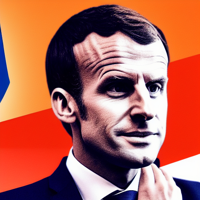
Emmanuel Macron
Emmanuel Macron, born on December 21, 1977, in Amiens, France, has emerged as a significant figure in contemporary French politics. As the President of France since 2017, Macron has embodied a progressive and centrist approach, aiming to reform and rejuvenate the country's political landscape. Prior to his political career, he worked as an investment banker.
Macron's rise to power began with his tenure as the Minister of Economy, Industry, and Digital Affairs under President François Hollande. He implemented reforms aimed at stimulating economic growth and attracting foreign investment. His pro-business policies and commitment to market-oriented reforms earned him a reputation as an innovative and forward-thinking leader.
In 2016, Macron founded his own political movement, La République En Marche! (The Republic on the Move!). Running as a centrist candidate, he positioned himself as a unifying force, transcending traditional left-right divides. Macron's charismatic personality and fresh approach resonated with voters, leading him to victory in the 2017 presidential election.
Vladimir Putin

Vladimir Putin

born on October 7, 1952, is a Russian politician who has served as the President of Russia for multiple terms with his assertive leadership style and influence.
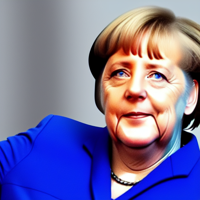
Angela Merkel

Angela Merkel

born on July 17, 1954, in Hamburg, Germany, is the longest-serving Chancellor in the history of Germany.

Volodymyr Zelenskyy

Volodymyr Zelenskyy

born on January 25, 1978, in Kryvyi Rih, Ukraine, surprised the world by transitioning from the entertainment industry to become the President of Ukraine.

As President, Macron has pursued an ambitious reform agenda. His efforts have focused on revitalizing the French economy, promoting labor market flexibility, and fostering innovation. Macron's pro-European stance and commitment to strengthening the European Union have also played a crucial role in shaping his policies.
One of Macron's notable achievements has been his push for environmental sustainability. He has advocated for the Paris Agreement on climate change and has taken steps to reduce France's reliance on fossil fuels. Macron's efforts to address climate change and promote renewable energy show his commitment to creating a sustainable future for France and the planet.
Furthermore, Macron has championed social equality and inclusion. He has introduced measures to tackle discrimination, promote gender equality, and enhance social cohesion. Macron's commitment to social justice is evident in his efforts to address issues such as income inequality, education reform, and access to healthcare. His leadership has not been without challenges.
His reform agenda has faced resistance from various interest groups, leading to protests and strikes. However, Macron has shown resilience and a willingness to engage in dialogue with critics, seeking to find common ground and address concerns. He has sought to strengthen international cooperation, particularly on climate change, counterterrorism, and multilateralism.
Macron's diplomatic efforts and his ability to engage with world leaders have elevated France's status and influence in global affairs. In conclusion, Macron's presidency has brought a fresh perspective and progressive agenda to French politics. His commitment to economic reform, social justice, and environmental sustainability reflects a forward-thinking vision for France's future.
While his policies have faced challenges and criticisms, Macron's determination to bring about positive change and his ability to navigate complex political landscapes have positioned him as a transformative figure in French politics. As Macron continues to shape the destiny of France, his leadership will undoubtedly leave a lasting impact on the nation and beyond.
Explore All