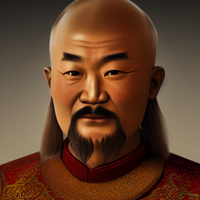
Genghis Khan
Genghis Khan, born as Temujin in the early 1160s in the harsh steppes of Mongolia, was the founder and ruler of the Mongol Empire, one of the largest empires in history. His rise from a nomadic chieftain to a legendary conqueror and visionary leader remains a remarkable tale of ambition, strategic brilliance, and cultural legacy. As a young boy, Temujin faced adversity.
His father was poisoned, and his tribe abandoned him. Despite these early hardships, he displayed leadership qualities and determination. He united several Mongol tribes under his leadership, adopting the title Genghis Khan, meaning Universal Ruler, in 1206 after being proclaimed the supreme leader of the Mongols. Genghis Khan's military prowess was legendary.
He transformed the Mongol army into an efficient fighting force, employing innovative tactics and strategies that allowed his forces to conquer vast territories across Asia and Europe. The Mongol Empire eventually stretched from the Pacific Ocean to the Caspian Sea, encompassing present-day China, Korea, Central Asia, and parts of Eastern Europe.
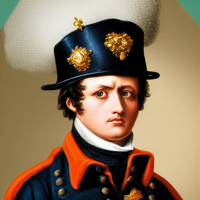
Napoleon Bonaparte

Napoleon Bonaparte

was born on 15 August 1769, in Corsica was a French military commander and political leader who rose to prominence during the French Revolution.
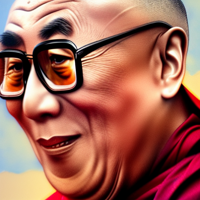
Dalai Lama

Dalai Lama

born Lhamo Thondup on July 6, 1935, in Taktser, Tibet, is a revered spiritual leader known for his teachings on compassion, peace, and pursuit of happiness.

Klaus Schwab

Klaus Schwab

born on March 30, 1938, in Ravensburg, Germany, is a visionary leader and economist best known as the founder and executive chairman of the WEF.

Despite his reputation as a fearsome conqueror, he was also a visionary leader who introduced administrative and cultural reforms, implemented a unified legal code, religious tolerance, and a system of meritocracy to govern his vast empire. His leadership encouraged commerce and trade along the Silk Road, promoting cultural exchange and economic prosperity among diverse civilisations.
Genghis Khan's approach to governance was pragmatic. While he imposed strict discipline on his soldiers during wartime, he rewarded loyalty and valour, often incorporating defeated enemies into his own forces. He valued the contributions of individuals regardless of their background, which contributed to the cohesion and strength of his empire.
Additionally, his legacy extended beyond military conquests and governance. He promoted the use of a written script, known as the Uyghur script, for his empire, facilitating communication and record-keeping among the diverse tribes. He also encouraged the translation and preservation of important texts, contributing to the intellectual development of the Mongol Empire.
Genghis Khan's death in 1227 did not mark the end of the Mongol Empire's expansion. His successors, including his sons and grandsons, continued to expand the empire further, conquering more territories and leaving an indelible mark on world history. In the centuries following his reign, the Mongol Empire declined and eventually fragmented into separate Khanates.
However, the cultural impact of the Mongols endured, influencing art, architecture, and trade in various regions. He is celebrated as a national hero in Mongolia, revered for his vision, leadership, and contributions to the Mongol people. He is also a subject of study with historians and scholars analysing his military strategies, administrative achievements, and lasting cultural impact.
In conclusion, Genghis Khan was a historical figure of unparalleled significance, whose life and leadership left an enduring impact on world history. His governance, cultural reforms, and vision for the future contributed to the flourishing of the Mongol Empire. Genghis Khan's influence continues to be felt in the realms of history, culture, and leadership to this day.
Explore All