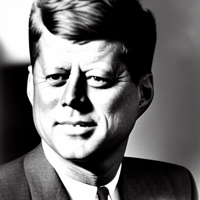
John F Kennedy
John F. Kennedy, born on May 29, 1917, in Brookline, Massachusetts, was the 35th President of the United States. He served from 1961 until his tragic assassination on November 22, 1963. Kennedy's presidency was marked by a vision of progress, hope, and leadership during a time of great social and political change.
Kennedy's charismatic personality and eloquent speeches captivated the nation. He inspired Americans with his famous words, Ask not what your country can do for you; ask what you can do for your country. Kennedy called upon citizens to actively participate in their democracy and work towards a better future for all.
One of Kennedy's notable achievements was the establishment of the Peace Corps in 1961. This program allowed young Americans to serve in developing countries, promoting peace and understanding through humanitarian efforts. The Peace Corps became a symbol of American goodwill and cooperation with the international community.
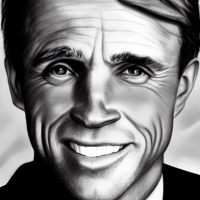
Robert F Kennedy Jr

Robert F Kennedy Jr

born on January 17, 1954, is an influential figure in the realm of environmental activism and the preservation of natural resources.
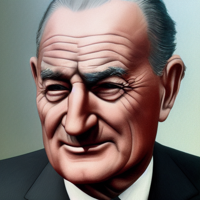
Lyndon Johnson

Lyndon Johnson

born on August 27, 1908, in Stonewall, Texas, commonly known as LBJ, was the 36th President of the United States, serving from 1963 to 1969.
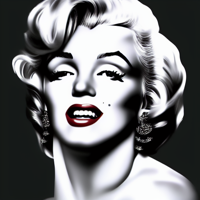
Marilyn Monroe

Marilyn Monroe

born Norma Jeane Mortenson on June 1, 1926, in Los Angeles, California, was a timeless Hollywood icon known for her beauty, talent, and tragic life.

Kennedy also faced significant challenges during his presidency. The most notable was the Cuban Missile Crisis in 1962, a tense standoff between the United States and the Soviet Union that brought the world to the brink of nuclear war. Through skilled diplomacy and strategic decision-making, Kennedy successfully navigated the crisis, preventing a catastrophic conflict.
Furthermore, Kennedy's commitment to civil rights and racial equality was evident throughout his presidency. He advocated for desegregation and took steps towards ending racial discrimination. Although his efforts faced resistance, Kennedy's support for the civil rights movement played a significant role in advancing the cause of equality in America.
Tragically, Kennedy's presidency was cut short by his assassination in Dallas, Texas. His death shocked the nation and left a lasting impact on American history. Kennedy's untimely demise cemented his place as an iconic figure and created a sense of loss and unfinished potential. Beyond his presidency, Kennedy's legacy continues to inspire generations.
His vision for space exploration led to the Apollo program and the historic moon landing in 1969. His call for unity and progress resonates as a reminder of the power of leadership and the potential for positive change. John F. Kennedy's presidency, though brief, was marked by optimism, leadership, and a commitment to public service.
Neil Armstrong
His ideals and principles continue to shape American politics and society. Kennedy's enduring legacy serves as a reminder of the transformative impact that a visionary leader can have on a nation, and his memory remains an inspiration for generations to come.
Explore All