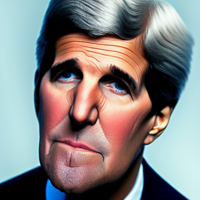
John Kerry
John Kerry, born on December 11, 1943, in Aurora, Colorado, is a veteran politician and diplomat who has dedicated his life to public service. His illustrious career spans decades and includes notable domestic and international achievements. His political journey began during his time at Yale University, where he was actively involved in protests against the Vietnam War.
After graduating, he enlisted in the United States Navy and served with distinction during the war, earning several medals for his valour and leadership. Upon returning from Vietnam, Kerry became involved in veterans' advocacy, speaking out against the war and advocating for better treatment of returning soldiers.
In 1972, he testified before the Senate Foreign Relations Committee, passionately expressing his opposition to the war, a moment that gained national attention. In 1982, Kerry entered electoral politics and was elected to the United States Senate representing Massachusetts. During his time in the Senate, he served on various committees.
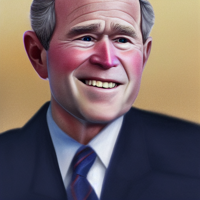
George Bush

George Bush

born on July 6, 1946, is an American politician who served as the 43rd President of the United States from 2001 to 2009.
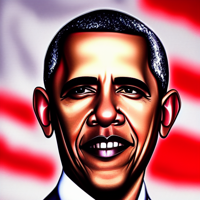
Barack Obama

Barack Obama

born on August 4, 1961, is an American politician and the 44th President of the United States, from 2009 to 2017.

Greta Thunberg

Greta Thunberg

born on January 3, 2003, in Stockholm, Sweden, is a young climate activist whose dedication to environmental advocacy has inspired a global movement.

He was a strong advocate for environmental issues, veterans' rights, and healthcare reform. Kerry's quest for the presidency began in 2004 when he secured the Democratic Party's nomination to challenge incumbent President George W. Bush. His campaign centered on his experience in foreign affairs and his opposition to the Iraq War.
Although he narrowly lost the election, Kerry's presidential bid elevated his national profile in American politics. After his presidential run, Kerry continued his work in the Senate, notably leading the Senate Foreign Relations Committee. In 2013, he was appointed by President Barack Obama as the 68th United States Secretary of State, succeeding Hillary Clinton.
As Secretary of State, Kerry played a key role in shaping U.S. foreign policy, tackling issues such as climate change, nuclear proliferation, and conflicts in the Middle East. One of Kerry's significant achievements as Secretary of State was his pivotal role in negotiating the Paris Agreement on climate change.
His leadership and diplomacy were instrumental in bringing together nearly 200 countries to commit to reducing greenhouse gas emissions and combatting global warming. Kerry's commitment to diplomacy and multilateralism, in his efforts to find peaceful solutions to conflicts and promote international cooperation, have earned him respect from world leaders and diplomats.
Kerry has also been a vocal advocate for environmental conservation and renewable energy. He founded World War Zero, a coalition of military, business, and political leaders working to combat climate change. In conclusion, Kerry's journey in American politics is marked by dedication to public service and a commitment to tackling critical issues both at home and abroad.
From his early days as a Vietnam War veteran advocating for peace to his role as Secretary of State negotiating international agreements, Kerry's contributions to American politics and diplomacy have been significant. His advocacy for climate action and his efforts to build bridges across nations demonstrate his enduring commitment to a better world.
Explore All