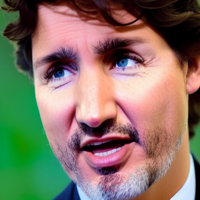
Justin Trudeau
Justin Trudeau, born on December 25, 1971, in Ottawa, Canada, has emerged as a prominent figure in Canadian politics, known for his progressive vision, inclusive leadership, and commitment to social justice. As the 23rd Prime Minister of Canada, Trudeau has sought to foster a more diverse and inclusive society while addressing pressing global challenges.
Trudeau's rise to power was marked by a promise of change and a departure from traditional politics. His emphasis on inclusivity, gender equality, and multiculturalism struck a chord with Canadians seeking a new direction. Trudeau's cabinet, which included an equal number of men and women, reflected his commitment to diversity and representation.
One of Trudeau's notable achievements has been his leadership in welcoming refugees and immigrants. In the face of a global refugee crisis, Trudeau's message of compassion and openness resonated with Canadians and garnered international attention. His decision to accept Syrian refugees showcased his commitment to humanitarianism and set an example for other nations.
Joe Biden

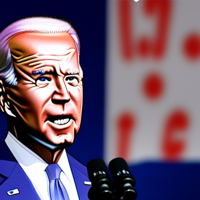
Joe Biden

born on November 20, 1942, the 46th President of the United States, is a veteran politician and statesman who has dedicated his career to public service.
Emmanuel Macron

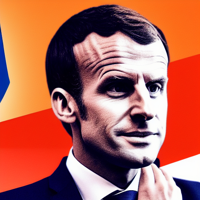
Emmanuel Macron

born on December 21, 1977, in Amiens, France, President of France since 2017, has emerged as a significant figure in contemporary French politics.

Vladimir Putin

Vladimir Putin

born on October 7, 1952, is a Russian politician who has served as the President of Russia for multiple terms with his assertive leadership style and influence.

Trudeau has also made significant efforts to address climate change and promote sustainable practices. Under his leadership, Canada has taken steps towards transitioning to clean energy and reducing greenhouse gas emissions. Trudeau's support for the Paris Agreement and his commitment to renewable energy highlight his recognition of the urgency of combating climate change.
Furthermore, Trudeau's leadership has sought to reconcile with Canada's indigenous peoples and address historical injustices. He has prioritised improving the living conditions and socio-economic opportunities for indigenous communities, working towards reconciliation and addressing long-standing issues such as clean water access and education.
However, Trudeau's tenure has not been without controversy. Criticisms have been raised regarding his handling of certain issues, including ethics scandals and concerns about economic policies. Critics argue that his rhetoric does not always match his actions, and his commitment to inclusivity has been challenged by some who feel left behind or unheard.
Nonetheless, Trudeau's leadership style, marked by his personable approach and willingness to engage with the public, has earned him a significant following. He has demonstrated an ability to connect with diverse groups and embrace grassroots activism, positioning himself as a leader for the people.
In conclusion, Justin Trudeau's leadership has been defined by his progressive vision, inclusive approach, and commitment to social justice. His emphasis on diversity, gender equality, and sustainability has been key in shaping Canada's national identity and its role on the global stage.
While his tenure has faced challenges, Trudeau's influence has been felt both domestically and internationally, serving as a catalyst for change and inspiring a new generation of leaders to prioritise inclusivity and address pressing issues.
Explore All