Leonardo da Vinci
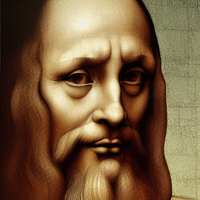
Leonardo da Vinci, born on April 15, 1452, in Vinci, Italy, was a true Renaissance man-an artist, scientist, inventor, and polymath. His exceptional talent and insatiable curiosity have made him one of the most celebrated and influential figures in the history of art and science. As an artist, Leonardo was a master of the Renaissance style.
He employed techniques such as sfumato (a gradual blending of colours) and chiaroscuro (the use of light and shadow) to create depth and realism in his paintings. His most famous work, the Mona Lisa, is an exquisite example of his artistic brilliance, renowned for its enigmatic smile and captivating gaze. In addition to the Mona Lisa, Leonardo's The Last Supper is another iconic masterpiece.
It depicted the emotional moment when Jesus reveals that one of his disciples will betray him. The painting's emotional depth and exquisite detail showcase his mastery of capturing human expression and emotion. His scientific inquiries were equally groundbreaking. He made significant contributions to anatomy, botany, geology, and engineering, among other fields.
Albert Einstein

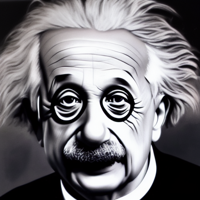
Albert Einstein

one of the most brilliant and influential scientists of all time, has left an indelible mark on our understanding of the universe.
Nikola Tesla

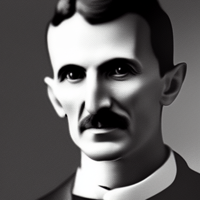
Nikola Tesla

was born on July 10, 1856, in Smiljan, Croatia. He was a visionary inventor and engineer who laid the foundation for many technological advancements.
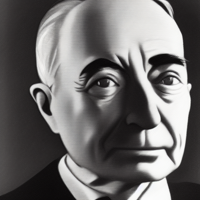
Robert Oppenheimer

Robert Oppenheimer

born on April 22, 1904, in New York City, was a brilliant physicist who worked in the field of nuclear physics and leadership in the Manhattan Project.

His detailed anatomical drawings revealed a deep understanding of the human body, anticipating many discoveries in modern medicine. He was also fascinated by the natural world, closely observing and recording the behaviour of animals and plants. His notebooks are filled with meticulous observations and sketches, demonstrating his scientific curiosity.
In the realm of engineering, Leonardo's inventive mind produced a wide range of designs for flying machines, tanks, and various mechanical devices. His sketches and ideas were well ahead of his time, laying the groundwork for future innovations in engineering and technology. In essence, his genius lay in his ability to merge art and science, seamlessly integrating the two disciplines.
His approach to studying the world around him as both an artist and scientist was revolutionary, setting him apart from his contemporaries. Despite his exceptional talents, Leonardo was a restless spirit, frequently starting projects without completing them. He left behind a vast number of unfinished works and notebooks.
These are filled with sketches and ideas that provide insight into the complexity of his mind. Leonardo's impact on the world extended far beyond his lifetime. His influence on subsequent generations of artists and scientists has been profound, with many seeking inspiration in his works and ideas.
The Renaissance man archetype owes its origin to Leonardo, and his legacy has continued to inspire creativity and innovation across disciplines. In conclusion, Leonardo da Vinci's genius as an artist, scientist, and inventor remains unparalleled. His contributions to art, science, and engineering have left an enduring mark on human history.
His ability to blend artistic creativity with scientific inquiry is a testament to the boundless potential of the human mind. Leonardo's legacy continues to inspire and captivate generations, and his genius will undoubtedly be celebrated for centuries to come.
Explore All