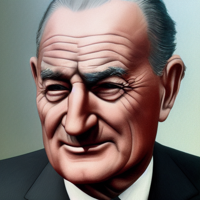
Lyndon Johnson
Lyndon Baines Johnson, commonly known as LBJ, was the 36th President of the United States, serving from 1963 to 1969. Born on August 27, 1908, in Stonewall, Texas, he was a transformative figure in American politics, leaving a lasting impact on civil rights, social welfare, and domestic policies. His political career began in the 1930s when he served in various positions in the Texas government.
He was elected to the U.S. House of Representatives in 1937 and later moved on to the U.S. Senate in 1948. Johnson's exceptional legislative skills and ability to build relationships with his colleagues earned him the position of Senate Majority Leader in 1955, a position he used to champion his vision for a Great Society in America.
In 1963, following the assassination of President John F. Kennedy, he assumed the presidency and vowed to carry on Kennedy's legacy. One of Johnson's most significant achievements was his dedication to civil rights. In 1964, he signed the Civil Rights Act into law, which prohibited racial segregation and discrimination in public places and employment.
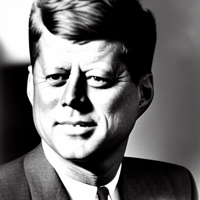
John F Kennedy

John F Kennedy

born on May 29, 1917, in Brookline, Massachusetts, was the 35th President of the United States, from 1961 to November 22, 1963.
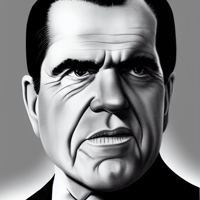
Richard Nixon

Richard Nixon

born on January 9, 1913, in Yorba Linda, California, was the 37th President of the United States, who served from 1969 to 1974.
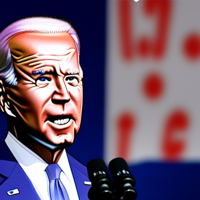
Joe Biden

Joe Biden

born on November 20, 1942, the 46th President of the United States, is a veteran politician and statesman who has dedicated his career to public service.

This landmark legislation was a pivotal moment in the civil rights movement, advancing the cause of racial equality in America. Under Johnson's leadership, Congress also passed the Voting Rights Act of 1965, which aimed to eliminate racial barriers to voting and ensure equal access to the ballot box for all Americans.
This legislation was crucial in addressing the systematic disenfranchisement faced by African Americans in the South and played a pivotal role in shaping American democracy. His domestic agenda extended beyond civil rights. He launched his vision for the Great Society, a series of domestic programs aimed at addressing poverty, improving education, and enhancing healthcare access.
The Great Society initiatives included the creation of Medicare and Medicaid, significant funding for education, urban development projects, and measures to protect the environment. While Johnson's domestic achievements were impressive, his presidency was also marked by challenges and controversies, especially concerning the Vietnam War.
Despite his initial reluctance to escalate the conflict, Johnson found himself increasingly involved in the Vietnam War, facing mounting criticism and protests at home. In 1968, amidst the turbulence of the Vietnam War and a divided nation, Johnson announced that he would not seek re-election.
His presidency, while transformative in many ways, ended with the country grappling with issues of war, civil unrest, and the future of social progress. In conclusion, he was a visionary leader whose presidency left an indelible mark on American history. His commitment to civil rights and social welfare led to transformative legislation that continues to shape the nation today.
His Great Society initiatives exemplified his dedication to addressing societal challenges and improving the lives of ordinary Americans. Though his presidency was marked by the complexities of the Vietnam War, his domestic achievements stand as a testament to his vision and determination. His legacy as a transformative leader in American politics will be remembered for generations.
Explore All