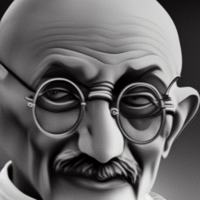
Mahatma Gandhi
Mahatma Gandhi, born in Porbandar, India, on October 2, was a prominent leader of the Indian independence movement against British colonial rule. He is recognised worldwide as an advocate of nonviolent resistance and a symbol of peace and equality. His philosophy and approach to social and political change were deeply rooted in truth (Satya) and nonviolence (Ahimsa).
He believed that violence only begets more violence and that true change could be achieved through peaceful means. Gandhi's commitment to nonviolence became a powerful tool in India's struggle for independence. One of Gandhi's most significant contributions was his leadership in the Salt March, also known as the Dandi March, in 1930.
This act of civil disobedience involved a 240-mile march to the Arabian Sea, where Gandhi and his followers collected salt in defiance of the British salt tax. The Salt March inspired millions of Indians to join the fight for independence and marked a turning point in the movement.
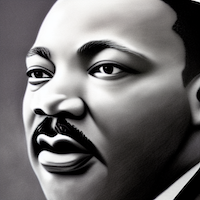
Martin Luther King Jr.

Martin Luther King Jr.

born on January 15, 1929, in Atlanta, Georgia, a champion of nonviolent activism, he left an indelible mark on American history.
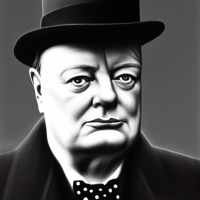
Winston Churchill

Winston Churchill

born on November 30, 1874, in Blenheim Palace, England, is widely regarded as one of the greatest leaders of the 20th century.
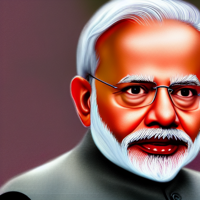
Narendra Modi

Narendra Modi

born on September 17, 1950, is the current Prime Minister of India and known for his charismatic leadership and dynamic approach.

Gandhi's principles of nonviolence and civil disobedience influenced other leaders and movements worldwide, including Martin Luther King Jr. in the United States and Nelson Mandela in South Africa. His teachings on peaceful resistance continue to inspire activists and advocates for social justice around the world.
Gandhi was also deeply committed to social and economic reform in India. He championed the rights of the untouchables (Dalits) and worked tirelessly to eradicate the caste system and promote equality among all Indians. Gandhi advocated for self-sufficiency and self-reliance, encouraging the use of locally made goods and the development of cottage industries.
Gandhi's vision of a united, independent India transcended religious and ethnic divisions. He strongly believed in religious tolerance and worked towards fostering harmony among different faiths. His efforts to promote interfaith dialogue and understanding played a crucial role in maintaining peace during the tumultuous period of India's partition in 1947.
Tragically, Gandhi's life was cut short when he was assassinated on January 30, 1948, by a Hindu nationalist who opposed his inclusive and secular vision for India. His death shocked the nation and the world, but his legacy lives on as a beacon of hope and inspiration. Mahatma Gandhi's teachings and principles continue to resonate with people seeking justice, equality, and peace.
Mahatma Gandhi
His unwavering commitment to nonviolence and his tireless efforts to bring about social and political change have left an indelible mark on history. Gandhi's message of peace, truth, and justice serves as a reminder that even in the face of immense challenges, individuals have the power to bring about transformative change through nonviolent means.
Explore All