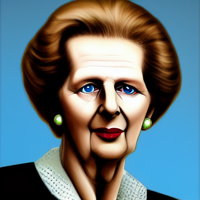
Margaret Thatcher
Margaret Hilda Thatcher, Baroness Thatcher, born on October 13, 1925, was a prominent British politician who served as the Prime Minister of the United Kingdom from 1979 to 1990 and Leader of the Conservative Party from 1975 to 1990. She was the first female British prime minister and the longest-serving of the 20th century.
Known as the Iron Lady, Thatcher made a significant impact on British politics and played a crucial role in shaping the country's economic and social landscape. Thatcher's leadership was characterised by her strong conservative principles and unwavering determination.
She believed in the power of free-market economics and limited government intervention, privatisation, deregulation, and reducing the role of trade unions. One of Thatcher's most significant achievements was her successful management of the British economy. Her policies aimed to revitalise the British economy and restore the country's competitiveness on the global stage.
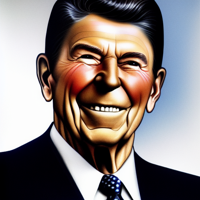
Ronald Reagan

Ronald Reagan

the 40th President of the United States, served from 1981 to 1989 and left an indelible mark on American history.
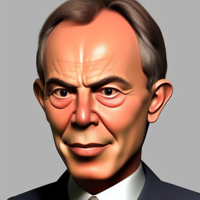
Tony Blair

Tony Blair

born on May 6, 1953, in Edinburgh, Scotland, is a transformative leader in British politics who left an indelible mark on the United Kingdom.
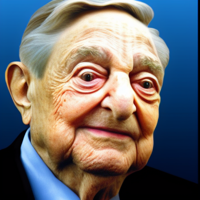
George Soros

George Soros

born on August 12, 1930, in Budapest, Hungary, is a polarising figure whose impact spans both the financial and philanthropic realms.

 Through her policies, commonly referred to as Thatcherism, she prioritised fiscal discipline and promoted entrepreneurship. She tackled inflation, implemented tax reforms, and pursued economic liberalisation. Thatcher's impact extended beyond economic reforms. She pursued a strong foreign policy, asserting British influence on the global stage.
While her reforms faced opposition and criticism, they played a crucial role in revitalising the British economy and creating a more business-friendly environment. Her leadership during the Falklands War in 1982 demonstrated her resolve and determination to protect British interests.
 Thatcher's staunch opposition to communism and her close relationship with the United States under President Ronald Reagan contributed to the end of the Cold War and the fall of the Berlin Wall. Her tenure as Prime Minister was marked by her strong leadership style, which earned both admiration and criticism.
Thatcher's legacy continues to shape British politics and society. While some lauded her for her decisive actions and commitment to her principles, others criticised her for being divisive and for implementing policies that disproportionately affected certain communities. The economic reforms she implemented influenced political ideologies around the world.
Her clashes with trade unions and the handling of social issues such as the miners' strike and the poll tax sparked controversy and protests. Her emphasis on individual liberty, responsibility, and the importance of a free-market economy has had a lasting impact. Her leadership and determination made her one of the most influential political figures of the 20th century.
Her impact on the British economy, foreign policy, and political landscape cannot be overstated. Whether praised or criticised, Thatcher's legacy as the first female Prime Minister of the United Kingdom and her contributions to conservative politics will forever be remembered.
Explore All