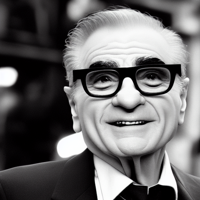
Martin Scorsese
Martin Scorsese, born on November 17, 1942, in Queens, New York, is one of the most celebrated filmmakers in the history of cinema. With a career spanning over five decades, Scorsese has created a diverse and groundbreaking body of work that has left an indelible mark on the art of filmmaking. Scorsese's love for cinema began at a young age.
Fueled by his passion for storytelling and the power of visual storytelling, he studied film at New York University's Tisch School of the Arts, where he honed his craft and developed his signature style. In the early 1970s, Scorsese burst onto the scene with a series of gritty and critically acclaimed films that explored the underbelly of New York City.
Mean Streets (1973), Taxi Driver (1976), and Raging Bull (1980) showcased his talent for depicting complex characters and exploring themes of violence, redemption, and morality. He collaborated with actor Robert De Niro to form the most iconic partnership in cinema history, with De Niro delivering memorable performances in many of Scorsese's films.
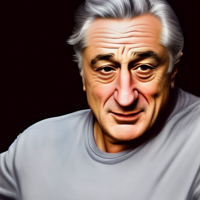
Robert De Niro

Robert De Niro

a name that resonates with excellence and diversity, was born on August 17, 1943, in New York City, is one of the most revered actors of his generation.

Matt Damon

Matt Damon

born on October 8, 1970, in Cambridge, Massachusetts, has emerged as one of Hollywood's most versatile and respected actors.
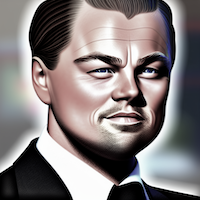
Leonardo DiCaprio

Leonardo DiCaprio

born on November 11, 1974, in Los Angeles, California, is an iconic figure in the world of acting, known for his remarkable talent, versatility and dedication.

Their collaborations included Taxi Driver, Raging Bull, Goodfellas (1990), and Casino (1995). Throughout his career, Scorsese has been a master of blending genres, creating films that are both deeply personal and universally resonant. His films often explore themes of guilt, sin, and the human condition, while also delving into the complexities of faith and identity.
Scorsese's groundbreaking work extends beyond the realm of traditional narrative cinema. He has also directed documentaries, such as No Direction Home: Bob Dylan (2005) and The Last Waltz (1978), which explored the lives and music of iconic artists. He won the Academy Award for Best Director and Best Picture for The Departed (2006).
It was a milestone in his career, finally recognising his immense contributions to the film industry. In recent years, Scorsese has continued to challenge and captivate audiences with films such as The Wolf of Wall Street (2013) and Silence (2016). His dedication to preserving the art of cinema has also led to his involvement in film preservation and restoration efforts.
Beyond his directorial work, Scorsese is a vocal advocate for film preservation and has played a pivotal role in preserving classic films for future generations. He has been a key figure in raising awareness about the importance of preserving cinematic history and promoting film education. Scorsese's influence extends beyond the film industry, as he has become a cultural icon.
His passion for cinema and storytelling has inspired countless filmmakers and artists around the world. He has received numerous accolades, including multiple Academy Awards, Golden Globes, and BAFTA awards. In conclusion, Martin Scorsese's contributions to the world of cinema are immeasurable.
His visionary storytelling, complex characters, and artistic innovation have set him apart as one of the greatest filmmakers of our time. Scorsese's enduring legacy will continue to inspire and influence future generations of filmmakers, ensuring that his impact on the art of cinema will be felt for generations to come.
Explore All