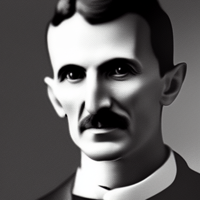
Nikola Tesla
Nikola Tesla, was born on July 10, 1856, in Smiljan, Croatia (then part of the Austrian Empire). He was a visionary inventor and engineer whose groundbreaking contributions to electrical engineering and wireless communication revolutionised the modern world and laid the foundation for many of the technological advancements we enjoy today.
Tesla's journey to becoming a prolific inventor began with his studies in electrical engineering in Europe. After moving to the United States in 1884, he worked for Thomas Edison but later parted ways due to differing views on the use of alternating current (AC) and direct current (DC) in electrical systems. One of his most significant inventions was the AC electrical system.
This innovation allowed electricity to be transmitted over long distances more efficiently, leading to the widespread adoption of AC power grids worldwide, laying the groundwork for modern electrical distribution systems and revolutionised the way electricity is generated, transmitted, and utilised. Tesla's creative genius extended to various fields, including radio technology.
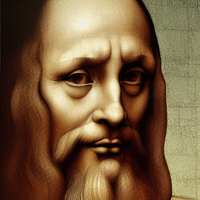
Leonardo da Vinci

Leonardo da Vinci

born on April 15, 1452, in Vinci, Italy, was a true Renaissance man-an artist, scientist, inventor, and polymath.
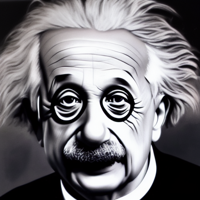
Albert Einstein

Albert Einstein

one of the most brilliant and influential scientists of all time, has left an indelible mark on our understanding of the universe.
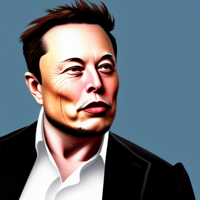
Elon-Musk

Elon-Musk

is a visionary entrepreneur and innovator who has captivated the world with his bold ideas and pursuit of technological advancement.

His significant contributions to the development of wireless communication laid the groundwork for radio transmission and remote control technologies. However, due to financial difficulties and conflicts with other inventors, he did not receive full credit for these inventions during his lifetime. Another of Tesla's visionary concepts was the idea of wireless energy transmission.
He proposed the construction of a World Wireless System that could transmit electricity wirelessly to any point on Earth. Although his dream of free wireless energy for the world was never fully realised, his work paved the way for advancements in wireless technology and laid the foundation for the development of Wi-Fi and wireless charging systems.
He faced financial challenges and struggled to gain the same level of recognition and success as his contemporaries. He obtained numerous patents throughout his life, but financial difficulties often plagued his ventures, and he died penniless in 1943. In the decades following his death, his legacy and contributions to science and technology have been increasingly recognised and celebrated.
His name has become synonymous with innovation, and he is often referred to as the father of the electrical age. Many consider him an unsung hero whose work has significantly impacted modern life. Tesla's forward-thinking ideas, such as wireless communication and renewable energy, continue to inspire scientists, engineers, and inventors today.
His work remains a testament to the power of imagination, curiosity, and dedication to transforming the world through scientific discovery. In conclusion, his impact on the world of science and technology is immeasurable. His groundbreaking inventions and visionary ideas have shaped the modern world and laid the foundation for many of today's technological advancements.
Tesla's contributions to electrical engineering, wireless communication, and power transmission have left an enduring legacy, inspiring generations of innovators to push the boundaries of what is possible. Tesla's genius and vision serve as a reminder of the potential for human imagination to transform the world for the better.
Explore All