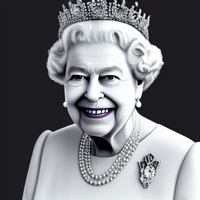
Queen Elizabeth
Queen Elizabeth II, born on April 21, 1926, was Queen of the United Kingdom and other Commonwealth realms until her death in 2022. She ascended to the throne on February 6, 1952, following the death of her father, King George VI, making her the longest-reigning monarch in British history. She remained the monarch of 15 realms at the time of her death.
Elizabeth Alexandra Mary Windsor, known as Princess Elizabeth before her ascension to the throne, was born in London. She grew up during a period of significant political and social change, witnessing the impact of WWII and the subsequent rebuilding of the nation. Her early experiences shaped her dedication to public service and the sense of duty that would define her reign.
Throughout her reign, Queen Elizabeth II has been a symbol of stability, continuity, and dedication to public service. She has witnessed significant historical events, societal changes, and transformations in the world. Her reign has seen the decolonisation of the British Empire, the evolution of the Commonwealth, and the modernisation of the monarchy.
Pope Francis

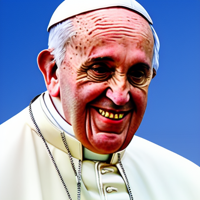
Pope Francis

born Jorge Mario Bergoglio on December 17, 1936, in Buenos Aires, Argentina, is the 266th Pope of the Roman Catholic Church.
Winston Churchill

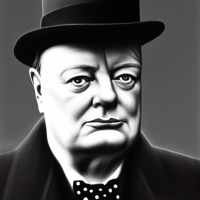
Winston Churchill

born on November 30, 1874, in Blenheim Palace, England, is widely regarded as one of the greatest leaders of the 20th century.
Margaret Thatcher

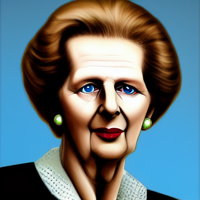
Margaret Thatcher

born on October 13, 1925, was a prominent British politician who served as the Prime Minister of the United Kingdom from 1979 to 1990.

Queen Elizabeth II has remained committed to her role as a constitutional monarch, upholding traditions while adapting to the demands of the modern era. She has diligently carried out her ceremonial duties, including state visits, diplomatic engagements, and public appearances, representing the British nation both domestically and internationally.
As the head of state, Queen Elizabeth II has played a vital role in fostering relationships with other countries and promoting diplomatic ties. She has been a figure of unity and continuity, providing stability and guidance during times of political and social change. Beyond her ceremonial role, she has also been actively involved in numerous charitable and philanthropic endeavors.
She has supported various causes, including education, healthcare, and the welfare of veterans and the disadvantaged. Her patronage of numerous charitable organisations reflects her commitment to public service and her desire to make a positive impact on society. Queen Elizabeth II's reign has been marked by moments of celebration and challenge.
Her Diamond Jubilee in 2012 marked 60 years on the throne, and she celebrated her Platinum Jubilee in 2022, marking 70 years of reign. Her steadfast dedication to her role and the respect she has garnered from the people have made her a beloved and respected figure. Throughout her reign, she upheld the traditions of the monarchy while adapting to the changing times.
She has navigated through periods of social and political change, serving as a symbol of stability and continuity. Her reign has witnessed the enduring strength of the British monarchy and its role in the modern world. Her role as a symbol of unity and continuity has earned her the respect and admiration of her people and the international community.
In conclusion, Queen Elizabeth II's reign as the monarch of the United Kingdom and the Commonwealth realms has been marked by her steadfast dedication, grace, and commitment to public service.  Queen Elizabeth II's legacy as a revered and influential figure in the history of the British monarchy will endure for generations to come.
Explore All