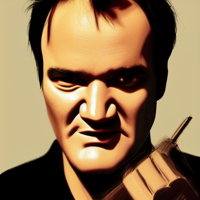
Quentin Tarantino
Quentin Tarantino, born on March 27, 1963, in Knoxville, Tennessee, is an iconic filmmaker known for his unique storytelling style, genre-bending narratives, and distinctive visual flair. Throughout his career, he has crafted a body of work that has left an indelible mark on the world of cinema. His journey in filmmaking began in the 1980s when he worked in a video rental store.
He immersed himself in a vast array of films from various genres and eras. This deep passion for cinema influenced his early works and laid the foundation for his signature style. In 1992, Tarantino's breakthrough came with the release of Reservoir Dogs, a crime thriller that garnered critical acclaim for its non-linear narrative and sharp dialogue.
This was followed by Pulp Fiction (1994), a cult classic that solidified his reputation as a visionary director. He was praised for its eclectic storytelling, memorable characters, and innovative use of music, earning him an Academy Award for Best Original Screenplay. His ability to blend genres and subvert cinematic conventions is a defining aspect of his filmmaking.
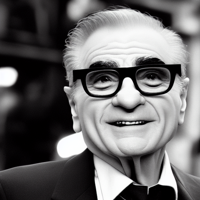
Martin Scorsese

Martin Scorsese

born on November 17, 1942, in Queens, New York, is one of the most celebrated filmmakers with a career spanning over five decades.
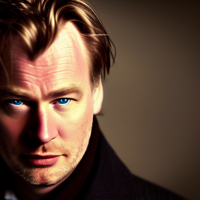
Christopher Nolan

Christopher Nolan

born on July 30, 1970, in London, England, is a visionary filmmaker known for his stunning visuals intricate storytelling, and mind-bending narratives.
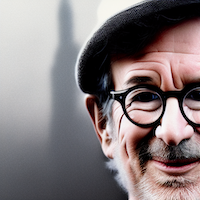
Steven Spielberg

Steven Spielberg

born on December 18, 1946, in Cincinnati, Ohio, is one of the most influential and celebrated filmmakers in the history of cinema.

He often draws inspiration from exploitation films, spaghetti westerns, and classic crime dramas, reimagining them through his unique lens to create fresh and captivating narratives. He received critical acclaim for Jackie Brown (1997), Kill Bill (2003-2004), Inglourious Basterds (2009), Django Unchained (2012), The Hateful Eight (2015), and Once Upon a Time in Hollywood (2019).
Each film showcases Tarantino's love for intricate storytelling, rich character development, and bold cinematography. Tarantino's films are also known for their strong, complex, and often morally ambiguous characters. He has a knack for writing memorable dialogues that are witty, sharp, and laden with cultural references, keeping audiences on the edge of their seats.
Beyond his role as a director, Tarantino is an accomplished screenwriter and actor. He has contributed to several films outside of his directorial work, including True Romance (1993) and From Dusk Till Dawn (1996). His acting appearances in his own films, such as Pulp Fiction and Django Unchained, have been well-received by both critics and audiences.
Tarantino's films have not been without controversy, often drawing criticism for their use of violence and provocative themes. However, he has consistently defended his artistic choices, asserting that his work is an exploration of the human condition and societal issues. In conclusion, Quentin Tarantino's impact on the world of cinema is undeniable.
His unparalleled storytelling, genre-blending narratives, and visually arresting cinematography have earned him a place among the most influential filmmakers of his generation. Tarantino's films have left an enduring legacy, inspiring a new generation of filmmakers and captivating audiences worldwide.
As he continues to create cinematic masterpieces, his artistic vision and innovative storytelling will undoubtedly shape the future of filmmaking for years to come.
Explore All