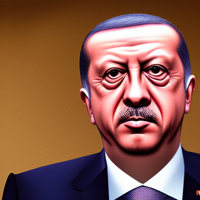
Recep Tayyip Erdogan
Recep Tayyip Erdogan, born on February 26, 1954, has played a pivotal role in Turkish politics for decades. From his early days as the mayor of Istanbul to his current position as the President of Turkey, Erdogan's leadership journey reflects both his widespread popularity and the controversies that surround his rule.
Erdogan's rise to power began in the 1990s when he became mayor of Istanbul, appealing as a charismatic and effective leader. He founded the Justice and Development Party (AKP) in 2001, emphasising its commitment to moderate Islam, democratic governance, and economic development. This message resonated with many Turks, leading to the party's electoral successes.
As Prime Minister from 2003 to 2014, he implemented reforms that revitalised Turkey's economy and improved infrastructure. However, his vision for a more conservative society was marked by tensions with the concerns of secular factions. Critics worried about his stance on issues such as media freedom, human rights, and the role of religion in public life.
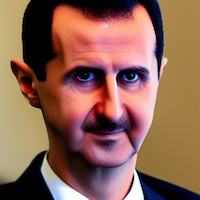
Bashar al-Assad

Bashar al-Assad

born on September 11, 1965, in Damascus, Syria, is a figure whose name has become synonymous with conflict and controversy.
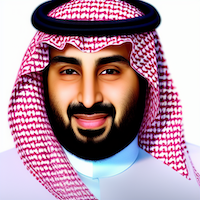
Mohammed bin Salman

Mohammed bin Salman

commonly known as MBS, has emerged as a transformative figure in Saudi Arabia, ushering in a new era of social, economic, and political changes.
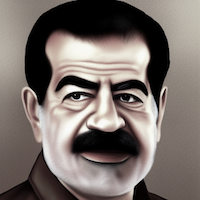
Saddam Hussein

Saddam Hussein

born on April 28, 1937, in Al-Awja, Iraq. His rise to power, brutal regime, and eventual downfall mark a complex chapter in the history of Iraq.

Erdogan's presidency, which began in 2014 after a change in Turkey's political system, has seen both domestic and international challenges. While he has been praised for economic growth and improvements in infrastructure, his government's increasing centralisation of power has raised concerns about the state of Turkish democracy.
Media censorship, arrests of journalists, and the suppression of political dissent have sparked international criticism. Erdogan's foreign policy has been characterized by assertiveness and strategic realignment. Turkey's involvement in conflicts such as Syria and Libya, as well as its shifting relationships with global powers, has positioned the country as a key player in regional dynamics.
However, this approach has also drawn criticism for its potential to escalate tensions and destabilise the region. Controversy has surrounded Erdogan's handling of a failed coup attempt in 2016. While he effectively thwarted the coup and maintained his popularity among supporters, his subsequent crackdown on  opponents led to concerns about human rights abuses and political repression.
Recep Tayyip Erdogan extended his rule into a third decade by defeating Kemal Kilicdaroglu in Turkey's presidential election in May 2023. Despite the polarising nature of his leadership, Erdogan has maintained a strong base of supporters who appreciate his efforts to uplift Turkey's status on the global stage and advance its domestic development.
His charisma, strong communication skills, and unapologetic stance have endeared him to many who feel that he is championing their values and aspirations. In conclusion, Recep Tayyip Erdogan's impact on Turkey's political landscape is undeniable. His journey from mayor to president reflects his enduring popularity and his ability to navigate complex challenges.
However, his rule has also been marked by controversies, raising important questions about the balance between strong leadership, democracy, and human rights. As a polarising figure, Erdogan continues to shape Turkey's destiny, leaving an indelible mark on the nation's history and its future trajectory.
Explore All