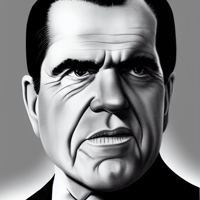
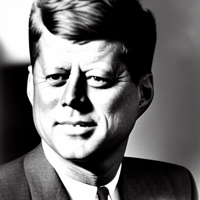
Richard Nixon
Richard Nixon, the 37th President of the United States, served from 1969 to 1974. Born on January 9, 1913, in Yorba Linda, California, his presidency was marked by significant accomplishments, but also overshadowed by the Watergate scandal, which ultimately led to his resignation. Nixon's political career began in the 1940s when he was elected to the U.S. House of Representatives.
He later served as Vice President under President Dwight D. Eisenhower from 1953 to 1961. During his time as Vice President, he earned a reputation as a staunch anti-communist and played a significant role in shaping American foreign policy during the Cold War. In 1968, he ran for the presidency and won, promising to bring an end to the Vietnam War and restore law and order.
His administration was marked by several notable achievements, including the establishment of the Environmental Protection Agency (EPA) and the signing of the Clean Air Act and Clean Water Act, which laid the foundation for environmental protection in the country. Nixon also pursued a policy of détente with the Soviet Union and China.
John F Kennedy

John F Kennedy

born on May 29, 1917, in Brookline, Massachusetts, was the 35th President of the United States, from 1961 to November 22, 1963.
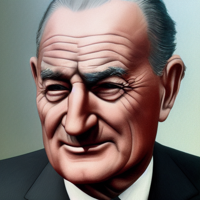
Lyndon Johnson

Lyndon Johnson

born on August 27, 1908, in Stonewall, Texas, commonly known as LBJ, was the 36th President of the United States, serving from 1963 to 1969.
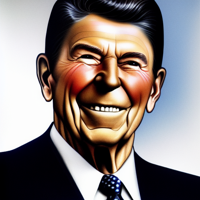
Ronald Reagan

Ronald Reagan

the 40th President of the United States, served from 1981 to 1989 and left an indelible mark on American history.

This paved the way for easing tensions and improving diplomatic relations with both countries. His visit to China in 1972 was a historic moment, as it was the first time an American president had visited the communist nation. However, Nixon's presidency became deeply mired in controversy with the Watergate scandal.
In 1972, five men connected to his re-election campaign were arrested for breaking into the Democratic National Committee headquarters at the Watergate complex. Investigations revealed that the administration had attempted to cover up its involvement in the break-in and other illegal activities. He faced impeachment in the House of Representatives and likely removal from office.
He announced his resignation on August 8, 1974. He became the first U.S. President to resign from office. Vice President Gerald Ford succeeded him and later granted Nixon a full pardon for any crimes he may have committed while in office. The Watergate scandal left a lasting stain on his legacy, overshadowing his significant foreign policy achievements and domestic initiatives.
It raised questions about the limits of presidential power and the importance of accountability and transparency in government. After leaving office, he largely withdrew from public life to focus on writing and gave several interviews in which he attempted to defend his actions. In his later years, he became more respected as an elder statesman, particularly in the realm of foreign policy.
In conclusion, Richard Nixon's presidency was a complex and controversial chapter in American history. While his administration achieved significant progress in environmental protection and international relations, it was ultimately marred by the Watergate scandal and his subsequent resignation from office.
Nixon's legacy is a cautionary tale of the importance of upholding the principles of accountability, transparency, and the rule of law in government. His presidency serves as a reminder that even the highest office in the land is not above scrutiny and that the actions of those in power must be subject to oversight and checks and balances to preserve the integrity of democracy.
Explore All