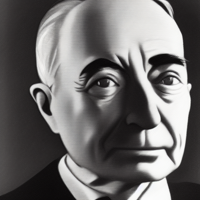
Robert Oppenheimer
J. Robert Oppenheimer, born on April 22, 1904, in New York City, was a brilliant physicist whose work in the field of nuclear physics and leadership in the Manhattan Project had a profound impact on the course of history. As the scientific director of the project, Oppenheimer played a central role in the development of the atomic bomb during World War II.
Oppenheimer's early academic career was marked by exceptional achievements in theoretical physics. He made significant contributions to quantum mechanics and quantum field theory, earning him recognition as one of the leading physicists of his time. His work laid the foundation for many subsequent breakthroughs in the field.
During World War II, the United States faced an urgent need to develop atomic weapons, fearing that Nazi Germany might build them first. Oppenheimer was chosen to lead the Manhattan Project, a massive research and development effort aimed at building an atomic bomb. Under his direction, scientists and engineers worked tirelessly to harness the power of nuclear fission.
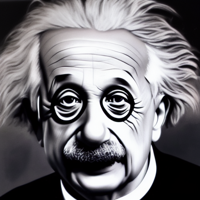
Albert Einstein

Albert Einstein

one of the most brilliant and influential scientists of all time, has left an indelible mark on our understanding of the universe.
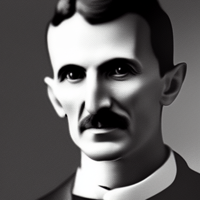
Nikola Tesla

Nikola Tesla

a visionary entrepreneur and philanthropist, has made an indelible impact on the world through his innovations and philanthropic endeavours.

Cillian Murphy

Cillian Murphy

born on May 25, 1976, in Douglas, County Cork, Ireland, is an actor of remarkable talent and versatility, known for his intense performances.

On July 16, 1945, the first successful test of the atomic bomb took place in the New Mexico desert. Oppenheimer famously quoted the Bhagavad Gita, saying, Now I am become Death, the destroyer of worlds, reflecting the profound responsibility he felt for the destructive power of the weapon.
The successful test led to the dropping of atomic bombs on the Japanese cities of Hiroshima and Nagasaki in August 1945, hastening the end of World War II. The use of atomic weapons remains one of the most controversial decisions in history, but it undeniably altered the global geopolitical landscape and initiated the nuclear arms race during the Cold War.
Following the war, he became an advocate for arms control and international cooperation on nuclear issues. A key figure in the establishment of the Atomic Energy Commission he worked to promote the peaceful use of nuclear energy for civilian purposes. However, during the early days of the Cold War, Oppenheimer's political views and associations came under scrutiny.
Accused of having communist sympathies, he faced investigations and had his security clearance revoked. The controversy surrounding his security clearance tarnished his reputation and led to personal and professional challenges. Despite the setback, Oppenheimer continued to contribute to academia and theoretical physics.
He remained an influential figure in the scientific community and mentored many young physicists. In conclusion, his pivotal role in the developing the atomic bomb earned him the title The Father of the Atomic Bomb. The Manhattan Project significantly influenced the outcome of World War II ushering in the atomic age that changed the course of history forever.
Despite the controversies that followed, Oppenheimer's contributions to science and his advocacy for nuclear arms control remain enduring aspects of his legacy. His complex and multifaceted persona continues to inspire discussions about the ethical responsibilities of scientists and the potential consequences of scientific discoveries.
Explore All