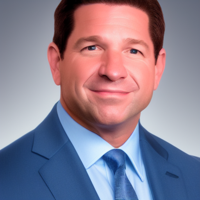
Ron DeSantis
Ron DeSantis, born on September 14, 1978, in Jacksonville, Florida, has emerged as a prominent political figure in the United States, serving as the Governor of Florida since 2019. His tenure in office has been marked by a mix of conservative policies, response to public health challenges, and a unique approach to leadership.
His career gained momentum when he served as a U.S. Representative for Florida's 6th congressional district from 2013 to 2018. He garnered attention for his strong stance on limited government, fiscal responsibility, and support for veterans and military service members. As Governor, he has navigated a range of issues, with his response to the COVID-19 pandemic receiving notable attention.
His approach to managing the pandemic has been characterised by a balance between public health measures and maintaining the state's economic stability. He implemented targeted restrictions, prioritised vaccination efforts, and emphasised individual responsibility. His leadership during the pandemic has been polarising, earning both praise and criticism.
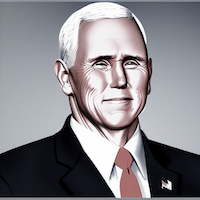
Mike Pence

Mike Pence

born on June 7, 1959, in Columbus, Indiana, is a prominent figure in American politics and served as the 48th Vice President of the United States.
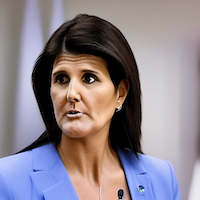
Nikki Haley

Nikki Haley

born on January 20, 1972, in Bamberg, South Carolina, is a prominent and influential figure in American politics.

Kevin McCarthy

Kevin McCarthy

born on January 26, 1965, in Bakersfield, California is the 55th and current speaker of the United States House of Representatives.

Supporters credit his efforts to keep Florida's economy open while focusing on protecting the vulnerable population. Critics, on the other hand, point to concerns over the state's rising COVID-19 cases and the ongoing debate about the effectiveness of his approach. In addition to his pandemic response, DeSantis has pursued conservative policies across various areas.
He has championed education reforms, including expanding school choice options for parents and promoting vocational training. His commitment to environmental conservation has led to initiatives addressing water quality and restoration efforts in the state's delicate ecosystems. DeSantis' foreign policy perspective has also gained attention.
He has taken a strong stance on the U.S.-Israel relationship, advocating for a more robust partnership between the two nations and even signing legislation that prevents state contracts with companies boycotting Israel. He signed a criminal justice reform bill aimed at reducing recidivism rates and helping individuals transition back into society after serving their sentences.
This bipartisan effort highlights his ability to find common ground on critical issues. While DeSantis' leadership style has resonated with his base, it has also generated controversy. His candid and at times combative interactions with the media have sparked debates about transparency and the role of the press in holding public officials accountable.
DeSantis' potential presidential aspirations have led to speculation about his political trajectory. His policies and leadership decisions will likely continue to shape his reputation and impact his future prospects. In conclusion, Ron DeSantis has made a significant impact on Florida's political landscape and beyond.
His tenure as Governor has been marked by a mix of conservative policies, responses to public health challenges, and a unique approach to leadership. While his decisions and style have generated both praise and criticism, DeSantis' commitment to his principles and his vision for Florida's future will continue to shape his role in American politics.
Explore All
@myveriteink on Twitter