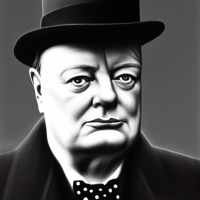
Winston Churchill
Winston Churchill, born on November 30, 1874, in Blenheim Palace, England, is widely regarded as one of the greatest leaders of the 20th century. His indomitable spirit, unwavering resolve, and exceptional oratory skills during World War II exemplified his unwavering commitment to freedom, democracy, and the defence of Western civilisation.
Churchill's journey as a statesman began long before his iconic tenure as Prime Minister of the United Kingdom during the war. His early political career forged his reputation as a steadfast and principled leader. Churchill's warnings about the dangers of Nazi Germany and his unwavering opposition to appeasement policies demonstrated his foresight and courage.
As war loomed, Churchill assumed the position of Prime Minister in 1940. He faced the formidable task of leading a nation facing imminent invasion and the very real possibility of defeat. However, Churchill's resolute determination and his ability to inspire hope in the face of adversity galvanised the British people.
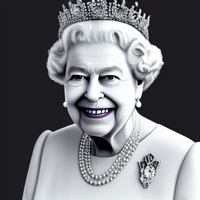
Queen Elizabeth

Queen Elizabeth

born on April 21, 1926, was Queen of the United Kingdom and other Commonwealth realms until her death in 2022. She ascended to the throne on February 6, 1952.
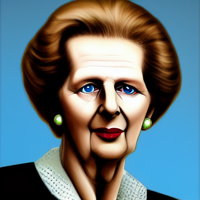
Margaret Thatcher

Margaret Thatcher

born on October 13, 1925, was a prominent British politician who served as the Prime Minister of the United Kingdom from 1979 to 1990.
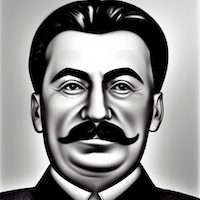
Joseph Stalin

Joseph Stalin

born on December 18, 1878, in Gori, Georgia, rose to become one of the most influential and controversial figures of the 20th century.

His powerful speeches, including the famous We shall fight on the beaches address, rallied the nation and became synonymous with the spirit of resistance. Churchill's leadership during the war extended beyond his role as a political figure. He played an instrumental role in strategic military decision-making, working closely with allied leaders to chart the course of the war.
His steadfast resolve and refusal to consider surrender united the British people and bolstered the morale of the Allied forces. Moreover, Churchill's commitment to democratic values and individual freedoms remained unwavering. He recognised the need to form alliances and forge strong bonds with other nations to confront the common enemy.
Churchill's collaboration with figures such as U.S. President Franklin D. Roosevelt and Soviet Premier Joseph Stalin demonstrated his diplomatic prowess and his ability to navigate complex international relationships. After the war, Churchill's leadership continued to have a lasting impact. He played a crucial role in shaping the post-war order.
He advocated for the establishment of international institutions such as the United Nations. His vision for a world governed by principles of peace, cooperation, and collective security laid the groundwork for the modern international order. Churchill's legacy goes beyond his political achievements. He was a prolific writer and historian.
He earned the Nobel Prize in Literature for his mastery of the English language and his ability to capture the essence of history. His memoirs, speeches, and essays continue to inspire generations, offering valuable insights into leadership, courage, and the pursuit of freedom. In conclusion, Winston Churchill's leadership during World War II makes him an iconic figure in history.
His indomitable spirit, powerful oratory skills, and strategic acumen inspired a nation and guided the Allies to victory. Churchill's legacy serves as a reminder of the importance of leadership, courage, and the defence of fundamental values in times of great adversity.
Explore All